3466
April 7, 2026
World Became Boring
 By 301©
The Aesthetics of Being “Correct”
At some point, design stopped surprising us.
It wasn’t a mistake, it was a consequence. As the digital world expanded, everything began to optimize: faster interfaces, clearer systems, more consistent brands. Aesthetics started to respond more to technical logic than to emotion.
In that process, we removed what seemed unnecessary. Textures disappeared, depth was reduced, character was softened.
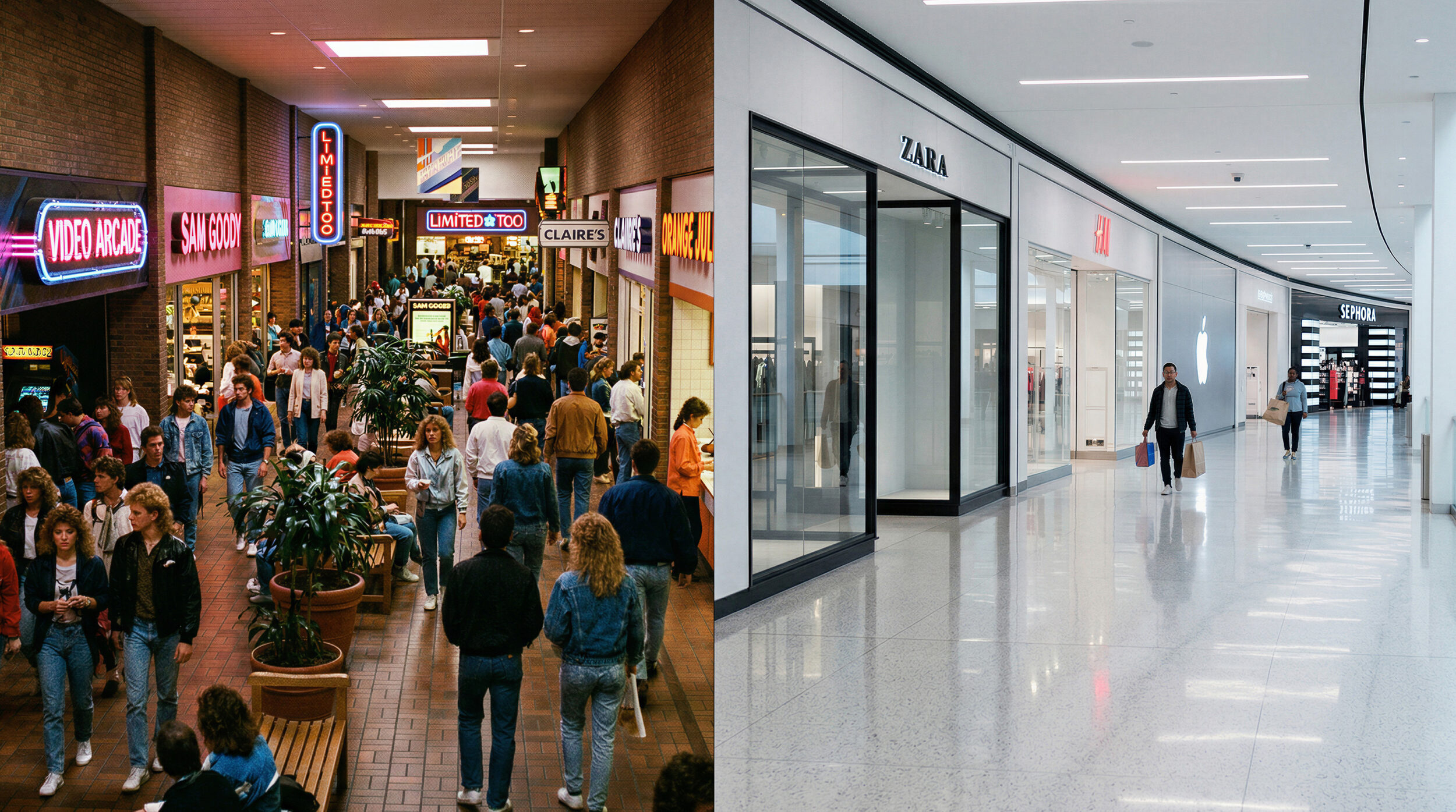
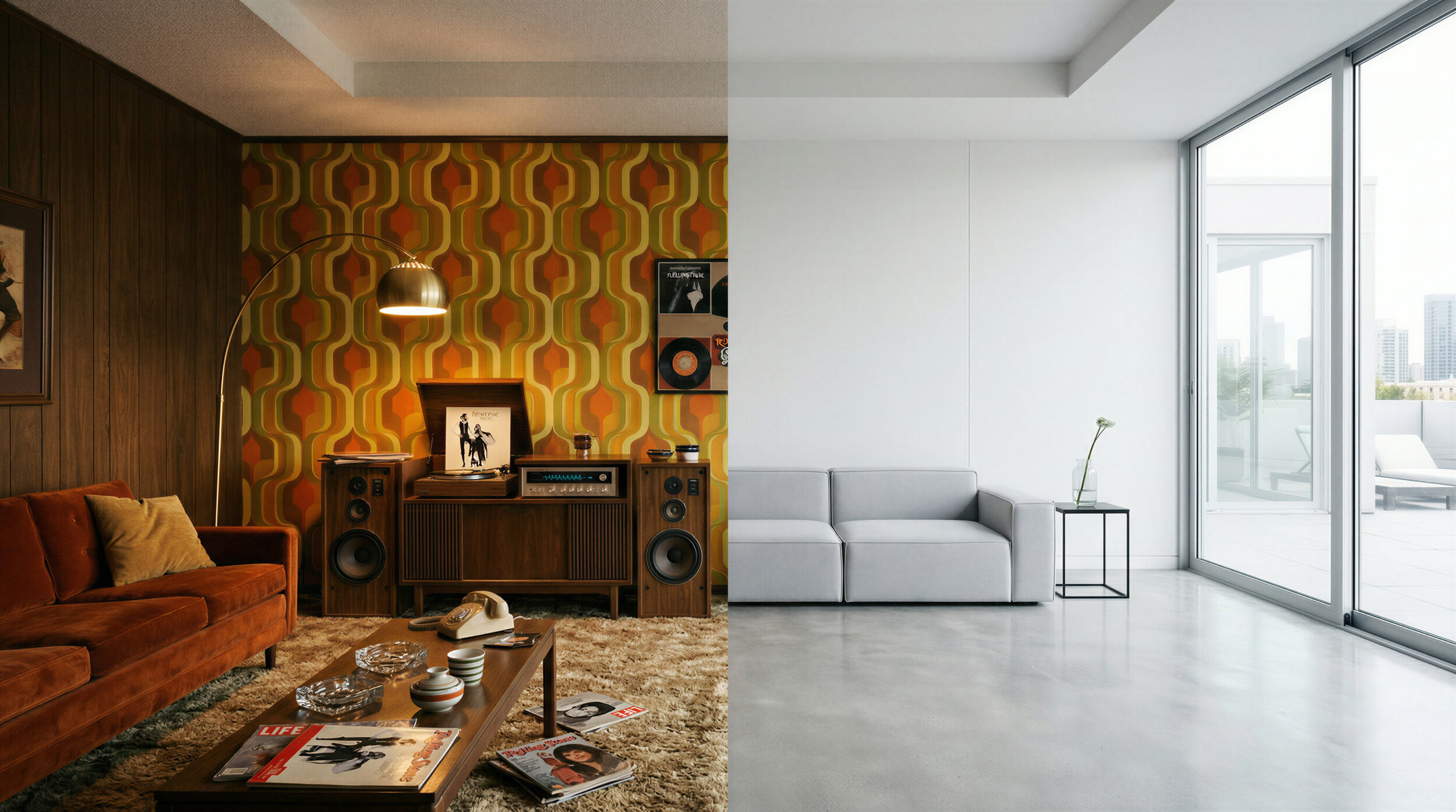
For decades, design had been an expressive territory. From the 1970s to the early 2000s, visual pieces didn’t just serve a function, they built experiences. There was color, contrast, volume, even excess. But above all, there was intention. Every visual decision communicated something beyond the message, it conveyed a feeling.

With the rise of mobile devices and the need to scale experiences to millions of users, the rules changed. Design had to be universal, adaptable, fast. It had to work on any screen, in any context, and to achieve that, it became simple.
Flat design wasn’t an arbitrary trend, it was a logical response. Reducing elements, removing depth, and building cleaner systems made it possible to create more efficient experiences. But it also opened the door to a silent problem: homogenization.
Today, many brands speak the same visual language: neutral typefaces, restrained color palettes, predictable compositions.
Design that is correct, but hard to remember
The problem isn’t minimalism. The problem is when it becomes a formula, when clarity replaces identity, when design stops being a decision and becomes a template.
An Opportunity for Brands
Today, the challenge isn’t choosing between functional and expressive, it’s making both coexist.
Design systems that work, but also have identity. Build brands that are clear, but not invisible. Create experiences that are not only understood, but remembered.
Because in a world where everything works, what truly matters is what makes us pause.
What creates a moment.
What sparks emotion.
What leaves a mark.